

Architectural Outdoor Living in Northern Virginia
In the premium residential enclaves of McLean, Great Falls, and Clifton, the definition of outdoor living has evolved. The era of the simple pressure-treated deck has passed. Today’s discerning homeowner requires a seamless integration of interior luxury and exterior resilience. At Tuck GC, we do not merely "add a porch" to your home; we engineer a bespoke architectural extension that serves as a sanctuary against the humid Virginia summers and a cozy retreat during the crisp autumn months.
The challenge in Northern Virginia is not just construction; it is creating a space that feels native to the existing home. Whether we are navigating the tight lot lines of North Arlington or the sprawling acreage of Prince William County, our objective remains constant: to build a structure that enhances the property's value, equity, and livability. From foundation to vaulted ceiling, we build to outlast your mortgage.
Estate Master-Class Case Study
The Fairfax Station Transformation: Total Site Re-Engineering & Luxury Carpentry.
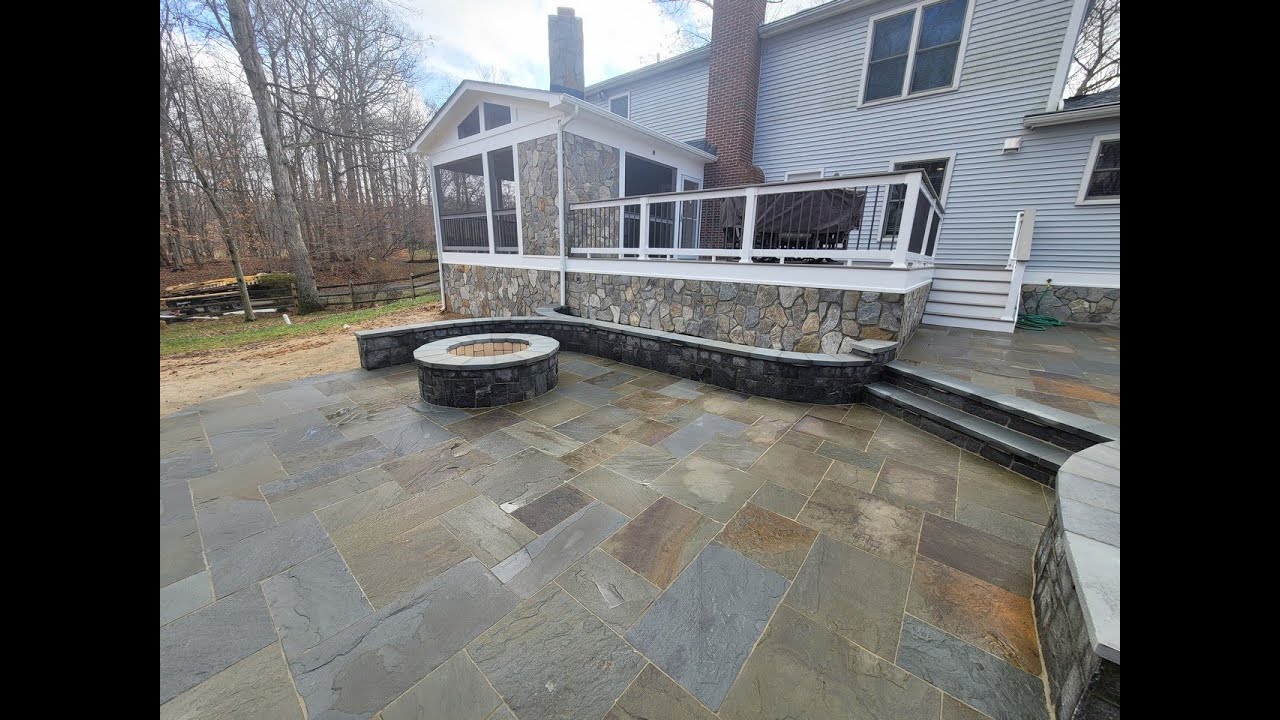
Phase 1: Engineering & Egress
- The Groundwork: To clear the building envelope for this massive estate project, we first had to legally relocate the home's septic system. We also installed a gravity-fed "daylight" drainage system downhill—eliminating the need for fail-prone sump pumps.
- Structural Egress: We excavated a massive 8-foot walkout featuring a grand flagstone landing, using 2-inch thermal caps on the treads. To access the rear yard from the front, we cut a flagstone walkway directly into a steep hill, supported by a hidden structural concrete edge to prevent future cave-ins.
Phase 2: The Architectural Porch
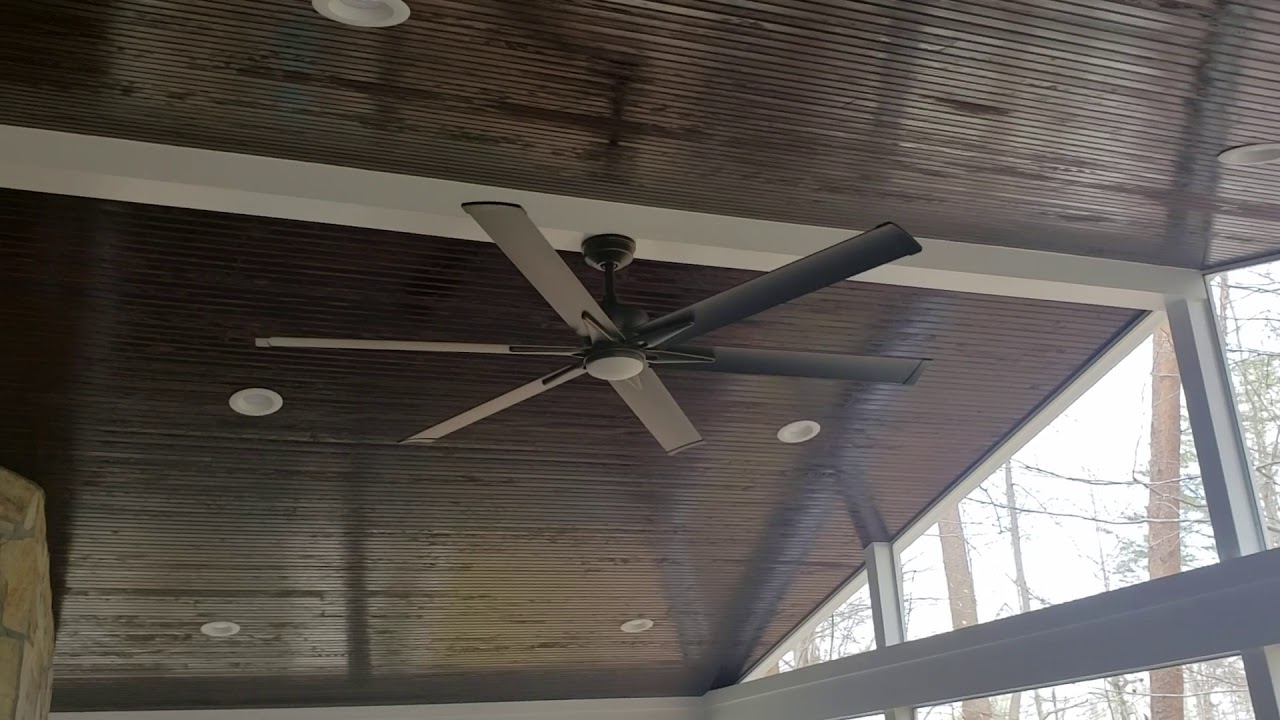
- The Screen Room: We framed a stunning vaulted mahogany ceiling over an expansive screen room, complete with integrated home audio, recessed lighting, ceiling fans, and a mounted TV.
- The Fireplace: The centerpiece of the room is a true masonry wood-burning fireplace featuring custom stone accents, piercing directly up through the roof structure. The room seamlessly opens out to a massive open-air composite deck for extended family seating.
Phase 3: The Expansive Patio & "The Material Play"
- The Lower Level: Flowing off the deck, a multi-tiered flagstone patio opens at grass-grade into the multi-acre yard. We designed distinct functional zones, including a built-in grilling station and a custom fire pit framed by structural seating walls.
- The Design Secret: To prevent the massive project from looking monotonous, we intentionally mixed stone profiles within the same color family. Disconnected elements (seating walls, fire pit, egress) were built using a modern Stonington Ashlar (square/rectangle cut). Connected elements (the fireplace, house foundation veneer) utilized a rich Chocolate Grey Mosaic. It is a brilliant architectural blend.
The Tuck Standard: Seamless Home Integration
A luxury addition shouldn't feel "bolted on." To make this new outdoor living space feel native to the estate, we completely reconfigured the rear wall of the home. We converted one solid window into a door for easy deck access, shifted the home office windows to preserve their exterior view, and added a secondary set of doors leading directly from the house into the screen room. Finally, we wrapped the entire under-deck and interior porch foundation in continuous stone veneer, completely unifying the structure.
1. The Diagnostic: Foundation Engineering & The Physics of Permanence
A screened porch is only as viable as the earth beneath it. One of the most common failures we witness in Fairfax County and Manassas is the settling of porch additions due to inadequate footing depth in expansive marine clay soils. The geological reality of our region involves heavy freeze-thaw cycles that can heave shallow footings, causing the new porch structure to aggressively pull away from the main house, leading to cracked drywall inside and severe roof leaks outside.
Tuck GC operates under a "Commercial Standard" for residential foundations. In areas like Lorton and Woodbridge, where soil composition varies wildly, we frequently utilize deep structural piles or oversized reinforced concrete footings that exceed standard code requirements. We excavate far below the frost line—often to depths of 30 to 40 inches—to ensure your investment rests on completely stable, load-bearing strata. We do not gamble with structural integrity.
2. The Tuck Standard Protocol: Porch Construction
Converting an open space into a true architectural extension requires a regimented build protocol. Our process ensures that your porch survives extreme weather while maintaining the refined finish of a luxury interior.
- Heavy-Timber Framing & Wind Shear Protection We frame our porches using engineered lumber and heavy timber construction. By integrating commercial-grade steel hurricane ties and structural shear panels, we guarantee the roof structure can withstand the severe wind events common to the Mid-Atlantic without structural racking or deflection.
- Track-Based High-Tension Screen Systems For our clients in Great Falls and Vienna, the primary asset is the view. Traditional methods require vertical support posts every 36 inches, creating a "cage-like" effect. We prioritize track-based screen systems. This high-tension technology locks the mesh in place, allowing us to span massive openings without a single vertical picket, delivering "glass-like" transparency and unobstructed panoramas.
- Under-Deck Water Management (Dry Systems) In multi-level designs common in Burke and Springfield, we deploy advanced under-deck waterproofing systems. These heavy-gauge polymer membranes capture rain that falls through the decking gaps and channels it into a hidden gutter system, effectively creating a completely dry patio space beneath your porch.
- Vaulted Architectural Ceilings The "Fifth Wall" is the centerpiece of the design. We specialize in framing vaulted, cathedral-style ceilings. We finish these ceilings in clear-grade Mahogany, Western Red Cedar, or pre-finished tongue-and-groove pine, completely transforming the acoustic and visual profile of the room.
- Thermal & Electrical Integration (3-Season Ready) A modern porch is a living room. We manage the full electrical scope, including rough-ins for high-velocity ceiling fans, low-voltage LED recessed lighting, and dedicated circuits for wall-mounted 4K televisions. We also integrate infrared radiant heating units to extend your porch’s usability deep into the Virginia winter.
3. Material Science: The Tuck Porch vs. Builder-Grade Conversions
| Specification | The Tuck Architectural Porch | Standard Builder-Grade Enclosure |
|---|---|---|
| Screen Technology | Extruded aluminum track; high-tension fiberglass mesh. | Stapled spline systems that sag and tear within a year. |
| Exterior Trim & Fascia | 100% Cellular PVC (Zero rot, zero painting required). | Pine or cedar that requires constant scraping and repainting. |
| Flooring System | Capped polymer composite or hidden-fastener exotic hardwoods (Ipe). | Pressure-treated pine that splinters and requires annual staining. |
| Roof Tie-In | Custom framed crickets, ice/water shields, and seamless valley flashing. | Surface-mounted ledger boards prone to catastrophic water intrusion. |
| Electrical Setup | Concealed conduit, dedicated sub-panels, and smart AV wiring. | Exposed exterior Romex stapled to the outside of posts. |
4. The Northern VA Factor: Zoning, Soils, and HOAs
Building a roofed structure in Northern Virginia triggers intense regulatory scrutiny. In Arlington, Alexandria, and Falls Church, strict Lot Coverage Ratios dictate exactly how much of your property can be covered by an impervious surface (a roof). Tuck GC works directly with county planners and civil engineers to draft plot plans that maximize your buildable footprint while maintaining strict legal compliance.
As we move into expansion zones like Gainesville, Haymarket, and Bristow, the challenge shifts to hyper-restrictive Architectural Review Boards (ARBs). HOAs in these premium communities frequently reject "boxy" porch designs or builder-grade materials. Our architectural plans are drafted to match the exact pitch, shingle type, and trim profile of your existing home. Whether we are perfectly blending a new roofline in Tysons or securing setback variances in Lake Ridge, we handle the entire bureaucratic war so you don't have to.
5. Screened Porch FAQ
In most cases, yes, but it requires serious structural upgrades. A standard deck is engineered to hold the "live load" of people and furniture. A screened porch requires the foundation to hold massive "dead loads" (the heavy roof structure) and "snow loads." We must structurally reinforce your existing footings and frame to meet modern roofing codes before we can build upward.
A screened porch relies purely on mesh to keep insects out, allowing maximum airflow. A 3-Season room typically incorporates sliding vinyl or glass track windows over the screens (like the Eze-Breeze system). This allows you to close the windows to block pollen, rain, and cold wind, effectively turning the space into a sunroom during the early spring and late autumn.
It is a critical step that amateur builders often miss. Before installing your composite or hardwood decking, we stretch a heavy-duty, tear-resistant fiberglass screen completely across the top of the floor joists. This creates an impenetrable barrier against mosquitoes, gnats, and spiders attempting to enter from beneath the porch.
6. The Investment Logic: Equity and Lifestyle
A professionally designed screened porch is one of the safest equity investments in the Northern Virginia real estate market. In competitive zones like Falls Church and Tysons, true outdoor living space is a massive differentiator for high-value resale. However, the value is not just monetary; it is experiential. It is the ability to drink coffee in the morning without mosquitoes, to host a dinner party during a summer rainstorm, and to watch the game by a roaring fire in October.
At Tuck GC, we are committed to the "Law of Technical Persistence." Once we set a standard—whether it is the depth of a footing or the quality of a trim board—we never regress. If you are ready to elevate your home with a structure that is built to last generations, we invite you to discuss your vision with us. We serve the entire "Money Zone," from the riverfronts of Woodbridge to the horse country of Clifton.