
The VDOT Gap: Why Lake Ridge Gets Buried
Public streets in Lake Ridge, Woodbridge, and Prince William County are legally maintained by VDOT. But any HOA Board member who has lived through a major snow event knows where the state spends its plows first: I-95 and the Prince William Parkway. Tertiary subdivision roads sit at the bottom of the priority list, which is why your community can stay buried for a full day after the highways are clear.
When the state plows finally arrive—often 12 to 24 hours into the storm—they are operating heavy highway equipment designed for speed, not precision. They plow a single lane down the center of the street, throwing up chest-high frozen walls of snow (windrows) that wall off every driveway apron, mailbox, and sidewalk ramp in the community. The HOA pays the price in angry phone calls and residents who can't get out of their own driveways.
This creates the "VDOT Gap." The roads are technically "passable," but the residents are trapped in their driveways, and the community sidewalks are buried under three feet of icy sludge. Tuck GC runs counter-operations against this exact scenario. We do not just plow parking lots; we manage the interface between the public road and the private resident.
The "Home Base" Advantage: Why Mays Quarter Matters
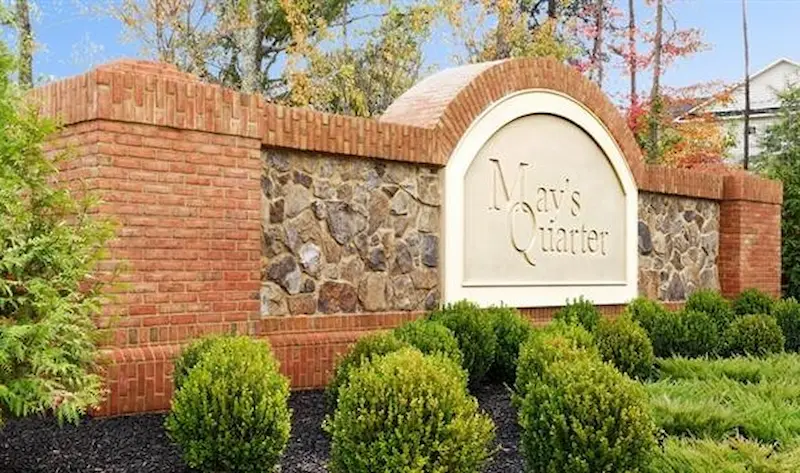
Tuck GC is not a vendor driving in from Maryland or Loudoun once the storm hits. We are headquartered inside Mays Quarter. That single fact changes the math: when Old Bridge Road turns to a sheet of ice, most contractors are still trying to reach the neighborhood — our equipment is already staged inside the gate, on the right side of the closed roads.
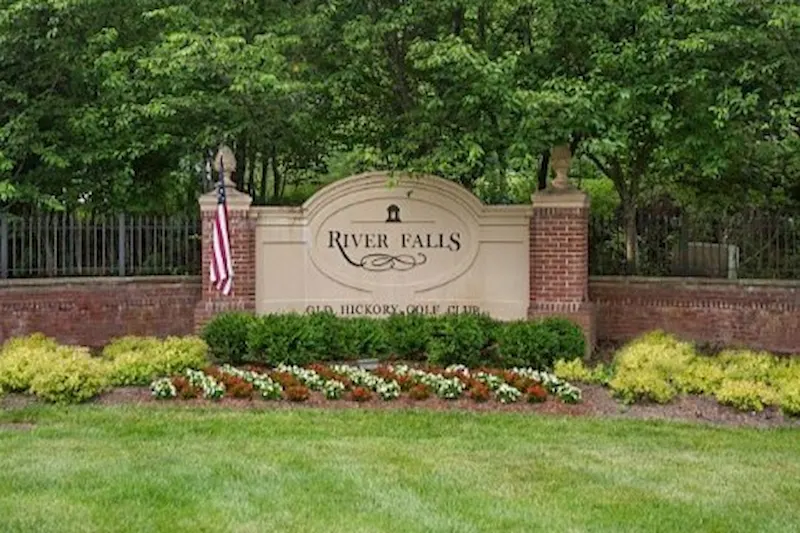
We view Mays Quarter as our "Command Center." From this central hub, we deploy resources to our immediate neighbors in River Falls and Reids Prospect. We treat these three communities as a single operational zone, allowing us to cycle our equipment efficiently without wasting time traveling on public highways.
The "Lowest Bidder" (Flat Fee)
This model is broken. A contractor charging a flat fee per storm is financially incentivized to do the bare minimum.
- Delayed Response: They wait until the storm ends (often 24+ hours) to plow once, saving fuel and labor costs.
- Frozen Results: By the time they arrive, car traffic has compacted the snow into ice, which plows cannot scrape.
- Limited Scope: They clear the clubhouse lot but ignore the miles of community sidewalks and mailbox clusters.
- Outcome: Angry residents blowing up the Board President's phone.
The Tuck GC Investment (Hourly)
We operate on a transparent Time & Materials basis. Our incentive aligns with yours: Safety and Accessibility.
- Active Management: Operations typically start around 2 inches, per your contract, and continue during the storm.
- Compaction Control: By keeping up with the snowfall, we deny the "hard pack" layer the hours of untouched buildup a single late pass gives it.
- Total Access: We deploy dedicated crews for sidewalks, ADA ramps, and fire hydrants.
- Outcome: A neighborhood that's open and moving as the storm winds down — not a day later.
Lake Ridge Operational Zones
We limit our commercial intake to ensure capacity. We do not overbook. We focus our heavy equipment on these three primary zones to ensure maximum service density.
The Liability Shield: Risk Management for HOAs
As an HOA Board Member or Property Manager, your primary concern isn't just convenience—it is Slip-and-Fall Liability. Commercial owners and HOAs owe visitors reasonable care, and their own governing documents and vendor contracts usually spell out snow-clearing duties — that combination, not a statute, is what creates the liability exposure. A single slip-and-fall claim from a resident or delivery driver on an untreated icy sidewalk can cost an association far more in legal fees and insurance premiums than a season of proper snow service.
1. Pre-Treatment Protocol
We monitor pavement temperatures, not just air temperatures. Before precipitation begins, we apply granular ice melt or brine to sidewalks and steep entrances. This creates a "brine barrier" that makes it far harder for snow to bond to the pavement. Pre-treatment is an optional add-on, applied before the storm as part of the service, and we don't apply de-icer to concrete less than a year old (The Tuck Standard, Section 5C).
2. The Refreeze Cycle
Many slips happen in the 48 hours after a storm. Daytime sun melts the snow piles, and that runoff freezes into "black ice" overnight. Tuck GC builds post-storm site checks into the contract, returning specifically to treat the runoff and refreeze zones around entrances, ramps, and low spots to reduce refreeze hazards after the plows are gone.
3. Documentation Defense
In the event of a claim, documentation is your only defense. On a seasonal HOA or commercial contract, we can build in deliverables like GPS-tracked service logs and a per-storm "Storm Report" for the Board, showing exactly when we were on-site, what materials were applied, and the condition of the surfaces when we left.
Tactical Equipment: Why "Pickups" Fail
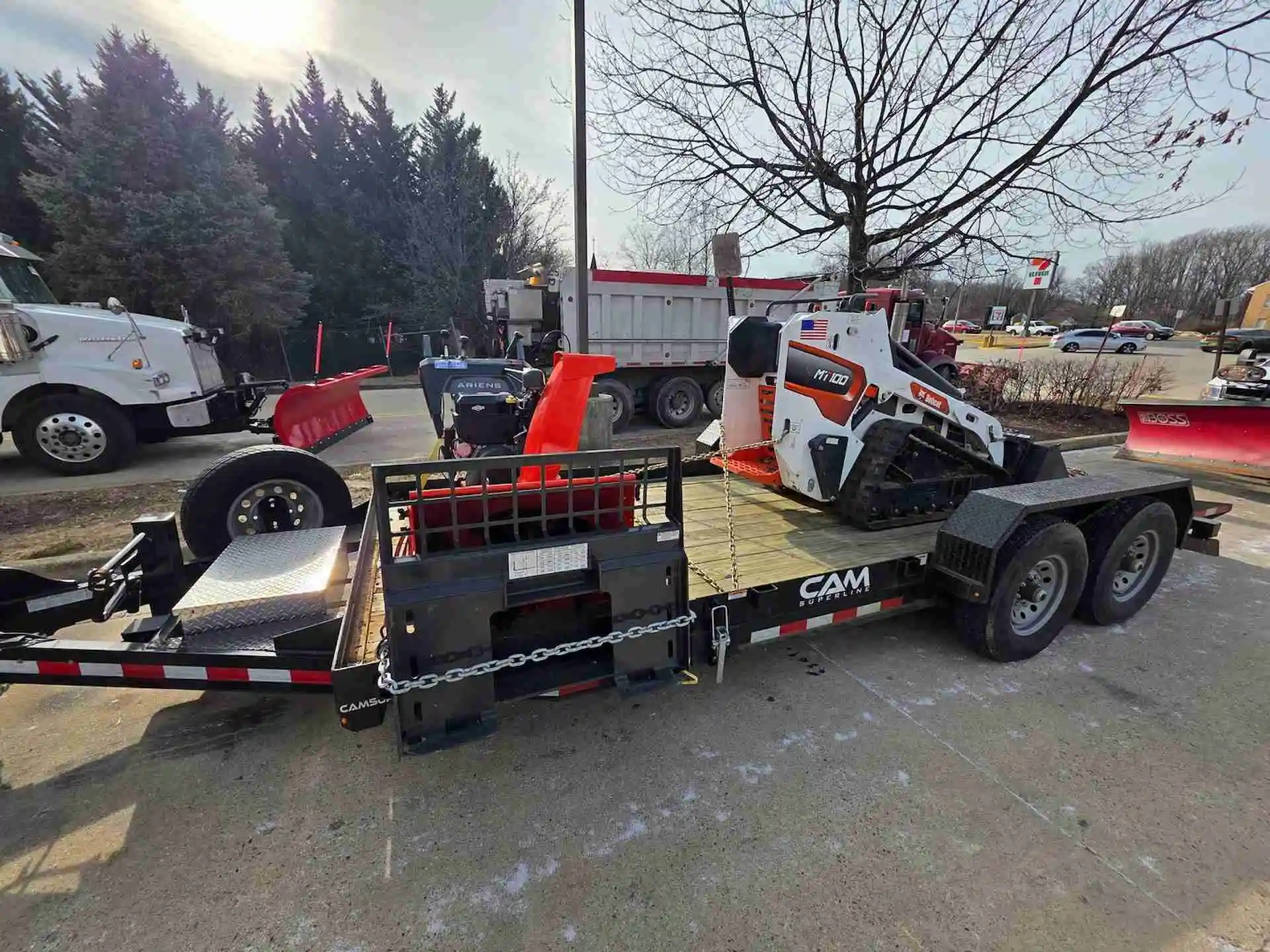
The layout of River Falls and Reids Prospect—with tight cul-de-sacs and limited parking—renders standard pickup trucks useless. A truck can only push snow forward; it cannot lift it. Once the banks get too high, a truck is trapped. We utilize a surgical fleet designed for high-density residential zones.
Skid Steers (Bobcats)
The Stacking Advantage. Unlike a truck, a skid steer can lift snow 10 feet in the air and stack it. This allows us to utilize vertical space in "Snow Farms" rather than losing valuable visitor parking spots to snow piles. This is critical for townhome communities where parking is already scarce.
MT100 Mini-Loaders
The Sidewalk Beast. Shoveling miles of sidewalks by hand is slow and labor-intensive. We deploy MT100 stand-on mini-skids. These machines fit on a standard 36-inch sidewalk but have the hydraulic breakout force to break up hard-packed ice that manual labor crews simply cannot remove.
Steel Blades & Buckets
Straight Talk on Surfaces. This is critical, heavy-equipment snow and ice removal when you need it most. Steel blades and buckets working on ice will likely scratch or mark concrete, pavers, and asphalt, and can chip curbs. We don't promise to protect surfaces; clients authorize the work knowing that, and every residential, HOA and commercial service agreement includes a damage waiver releasing us from surface damage (scratches, gouges and chips to pavement, curbs and pavers), structural damage (siding, garage doors, mailboxes and landscape lighting) and equipment contact with vehicles.
Snow Coverage by Neighborhood: How We Tailor Tactics to Each Lake Ridge Community
No two of our zones plow the same way. Mays Quarter's HOA streets, River Falls' steep estate driveways, and Reids Prospect's tight townhome pads each demand different equipment and a different game plan. Here is how we match the machine to the terrain in each community we serve.
Mays Quarter — Home-Base Priority
Terrain: HOA streets, common areas, and resident driveways across our command-center neighborhood.
Our approach: Priority mobilization. Our equipment is already staged inside the gate, so Mays Quarter gets first-wave coverage of streets and common areas once operations start — we treat it like our own because it is.
View Mays Quarter snow removal →
River Falls — Estate Grades
Terrain: Large estate driveways and steep grades that defeat standard pickup plows.
Our approach: We clear the long, steep aprons with heavy equipment, breaking out the hard-pack so the surface is passable. Steel blades and buckets on ice will likely scratch or mark aprons and driveways, and clients authorize the work knowing that.
View River Falls snow removal →
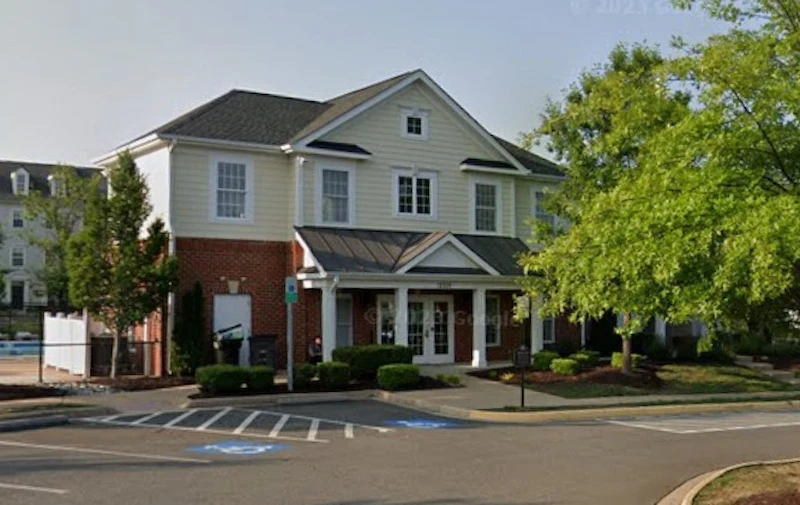
Reids Prospect — High-Density Pads
Terrain: High-density townhome parking pads and tight cul-de-sacs where there is nowhere to push snow.
Our approach: Skid-steers and MT100 mini-loaders that lift and stack snow vertically instead of trapping it in windrows, keeping scarce visitor parking and turnarounds open.
View Reids Prospect snow removal →
Snow & Ice Management FAQ
How fast do you respond during a storm, and do you plow during or only after it ends?
We run active storm management, not a single after-the-fact pass. For retained communities our equipment is staged on-site before the snow starts, and operations typically start around 2 inches, per your contract, and keep cycling during the storm to keep the snow from compacting into hard pack under traffic. Because we're headquartered inside Mays Quarter, we're not driving in from another county once the roads ice over. We don't promise a fixed clock time — every storm's intensity, timing, and duration is different — but you get continuous coverage instead of one delayed visit after everything has frozen.
How does hourly Time & Materials pricing work vs a flat per-storm fee?
A flat per-storm fee pays a contractor to do the bare minimum — wait until the storm ends, plow once, and leave. We bill transparent Time & Materials so our incentive matches yours: keep the property safe and accessible throughout the event, including sidewalks, ramps, and refreeze checks. Most HOAs pair that with a seasonal retainer that reserves equipment and a dedicated crew specifically for their community. Detailed and seasonal pricing depends on your site's size, scope, and priority areas, so reach out through the contact page and we'll build a real proposal.
Why can't VDOT clear our subdivision roads — what is the 'VDOT Gap'?
Public streets in Lake Ridge, Woodbridge, and Prince William County are legally maintained by VDOT, but VDOT prioritizes I-95 and the Prince William Parkway. Tertiary subdivision roads are last on the list, so state plows often arrive 12 to 24 hours into the storm running heavy highway equipment built for speed, not precision. They cut a single lane down the center and throw frozen windrows across every driveway apron, mailbox, and sidewalk ramp. That space between a technically 'passable' road and a resident who is still trapped is the VDOT Gap, and it's exactly the interface we manage.
Do you clear sidewalks, ADA ramps, mailbox clusters, and hydrants, or only the lot?
We clear the whole pedestrian environment, not just the clubhouse lot. We deploy dedicated crews and equipment for community sidewalks, ADA ramps, mailbox clusters, and fire hydrants, because that's where most of an HOA's slip-and-fall exposure actually lives. Miles of sidewalk get worked with MT100 stand-on mini-loaders that fit a 36-inch walk but still break up hard-packed ice, and we treat the entrances and ramps that a single after-the-fact plow pass always ignores.
Will snow removal scratch driveway aprons, pavers, and curbs?
It likely will. This is critical, heavy-equipment snow and ice removal when you need it most, and steel blades and buckets working on ice will likely scratch or mark concrete, pavers, and asphalt, and can chip curbs. We don't promise to protect those surfaces: clients authorize the work knowing that, and every residential, HOA and commercial service agreement includes a damage waiver releasing us from surface damage (scratches, gouges and chips to pavement, curbs and pavers), structural damage (siding, garage doors, mailboxes and landscape lighting) and equipment contact with vehicles. In tight townhome communities we use skid-steers and mini-loaders that can lift and stack snow to keep parking and turnarounds open.
What do you do about black ice and refreeze in the 48 hours after a storm?
Most slips happen up to 48 hours after the snow stops, when daytime sun melts the snow piles and the runoff refreezes into black ice overnight. We monitor pavement temperatures, not just air temperature. Pre-treatment with granular ice melt or brine is an optional add-on that makes it harder for snow to bond to the pavement, and we don't apply de-icer to concrete less than a year old (The Tuck Standard, Section 5C). Post-storm site checks can be written into your contract: we come back specifically to treat the runoff and refreeze zones around entrances, ramps, and low spots to reduce refreeze hazards after the plows are long gone.
What documentation do you provide for HOA slip-and-fall liability defense?
Commercial owners and HOAs owe visitors reasonable care, and their own governing documents and vendor contracts usually spell out snow-clearing duties — that combination, not a statute, is what creates the liability exposure. In a claim, your documentation is your strongest defense. On a seasonal HOA or commercial contract, we can build in deliverables like GPS-tracked service logs and a per-storm Storm Report for the Board showing exactly when we were on-site, what materials we applied, and the condition of the surfaces when we left. That record is what lets an association defend a slip-and-fall claim instead of guessing about what happened.
Do you service my neighborhood — Mays Quarter, River Falls, or Reids Prospect — and how do residents get on the Dig-Out List?
Yes — those three communities are our primary operational zone, and we treat them as a single cluster so we can cycle equipment without traveling on public highways. Mays Quarter is our home-base command center, River Falls gets estate-driveway logistics, and Reids Prospect gets high-density townhome tactics. We deliberately limit intake and do not overbook so each zone keeps real service density. Residents get on the Dig-Out List through their neighborhood page, and HOA boards can request a proposal through the contact page.
Safety is an Investment, Not an Expense.
If your current snow removal strategy involves calling a list of vendors the morning of the storm to see who is available, you are already too late.
A seasonal retainer with Tuck GC reserves heavy equipment and crew specifically for your community, and because we do not overbook, that capacity is held for you alone. On that kind of contract we can build in deliverables like pre-storm equipment staging on your site, so when the forecast turns to snow the dedicated crew can work through the night and have your streets, walks, and entrances opened up as early as conditions allow.